When infrastructure limits instruction
Classroom design decisions can have outsized effects on instructional time and safety at schools juggling mismatched infrastructure, strict budgets, and crowded schedules — particularly in the arts.
Between spilled paint and dirty brushes, art classes run smoother with a sink in the studio. But many schools don’t have a sink in every art classroom, and students lose valuable time leaving the room to wash up, complicating clean-up after class.
A practical fix without construction
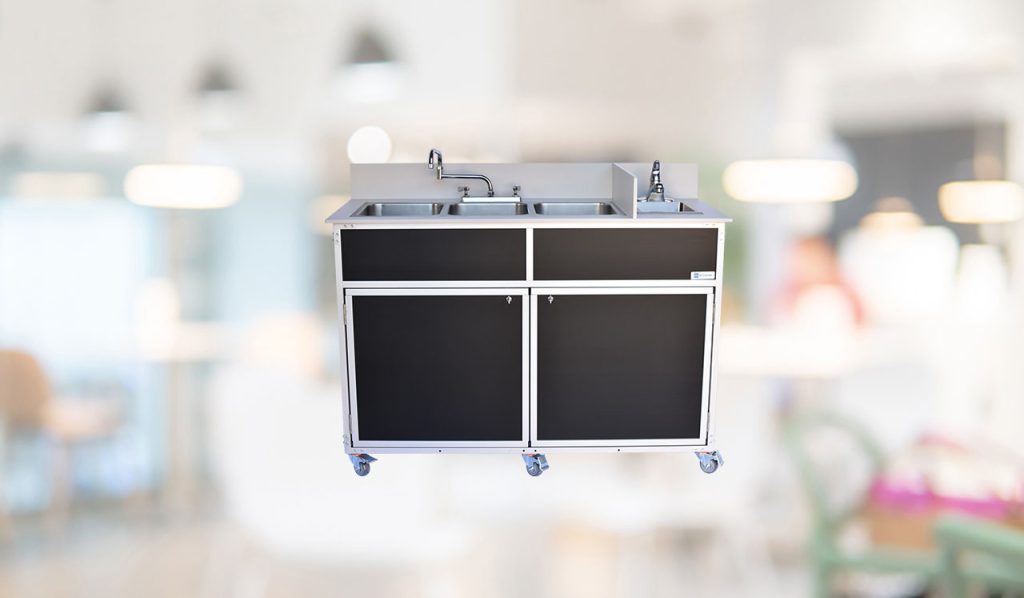
But administrators at Las Vegas High School found an economical solution to their sinkless art classroom, one that didn’t require contracting out a plumbing job to tear out walls and replace pipes. They bought a portable sink from Monsam, because of the company’s reputation for providing solutions for schools and other institutional clients.
“It’s convenient to have the sink in the classroom since the students use a lot of water-based materials,” said Caitlynn Moore, the high school’s office manager. “It also helps with cleanup time after messy lessons and keeps students from having to leave the room for water.”
Many school buildings constructed in the late 20th century were designed around fixed classroom uses, with specialized plumbing limited to science labs and designated art rooms.
As curricula evolved to incorporate more hands-on, project-based learning — and as schools responded to changing needs by recasting standard classrooms for art and music instruction — those design assumptions continue to limit instruction today, particularly in buildings that have not undergone major renovations.
Working within school procurement realities
Las Vegas High School’s solution operates independently of permanent plumbing and runs through a standard electrical outlet. Ongoing maintenance is limited to refilling the water tanks, reducing the need for facilities staff involvement. And because the unit does not require in-and-out connections to the building’s pipes, it could be installed without wall modifications, permits, or classroom shutdowns.
Equipment purchases often move through district review processes designed to ensure safety, compliance and fiscal oversight — a necessary step, but one that can extend project timelines beyond a single academic term. While the portable sink represented a one-time equipment purchase, administrators avoided the added cost and staff time required to scope, bid, and oversee a plumbing retrofit in a decades-old building.
“The purchasing process took a bit longer on our end, but having the sink in the classroom has made day-to-day use much easier for both students and staff,” Moore said. “Monsam was very patient with us, and they helped out along the way.”

Immediate impact in the classroom
Monsam regularly works with clients whose purchasing timelines are shaped by internal approval processes. Maintaining inventory allows the company to respond once approvals are complete. When schools are ready to move forward, we’re prepared to deliver and walk staff through installation without adding additional delays.
A Monsam four compartment portable sink allowed the school to address the issue immediately, rather than waiting through a months-long bid and construction process.
“Our art teacher loves it, and she has said it has made her life a lot easier, having it in her workspace!” Moore said.