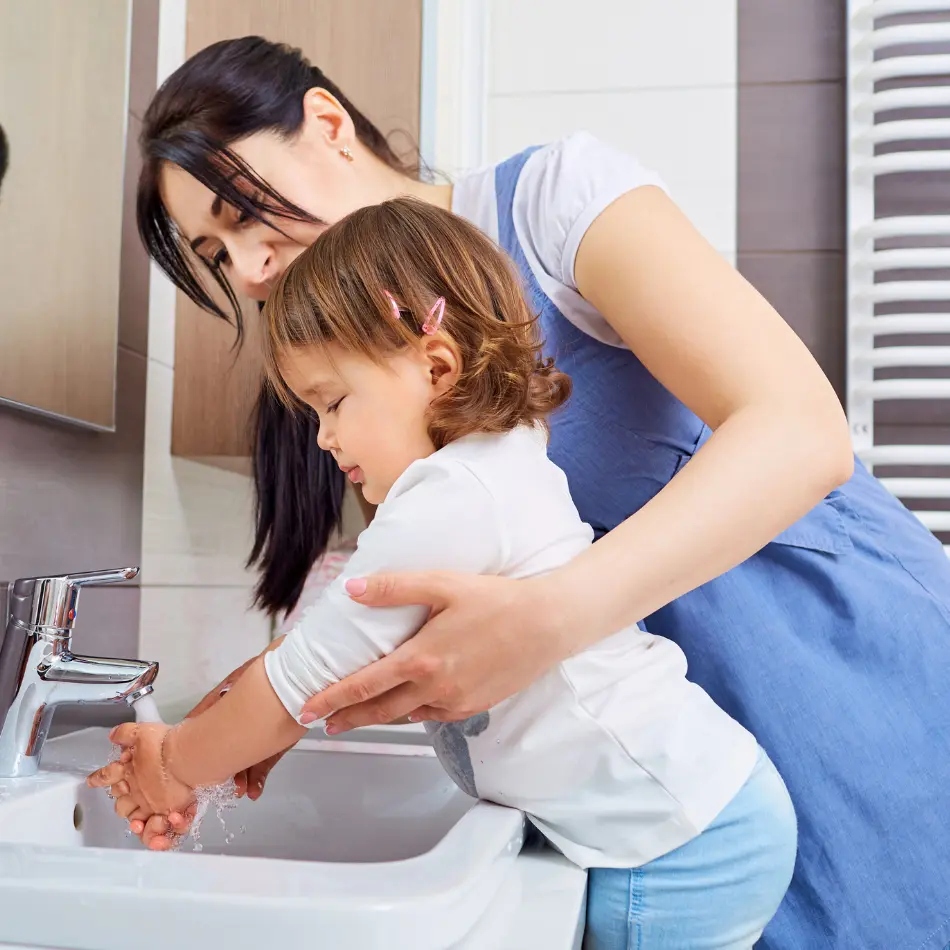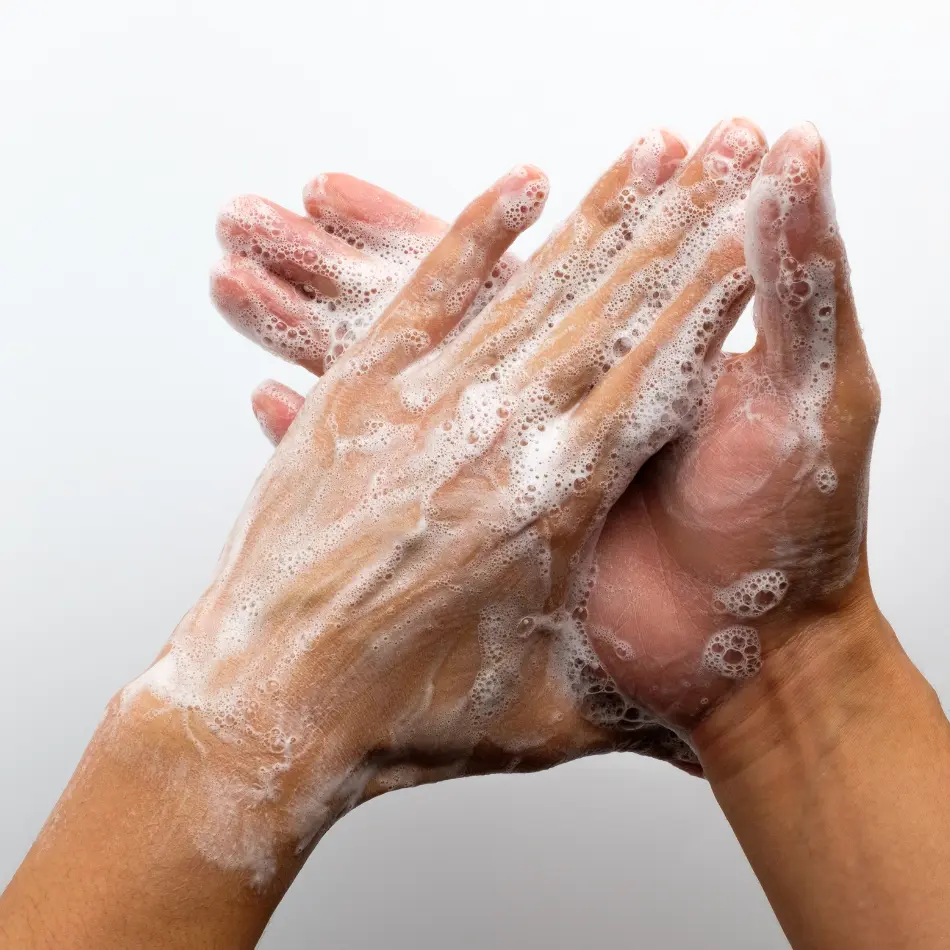
Global Handwashing Day, observed every October 15, is a worldwide campaign led by the Global Handwashing Partnership to promote handwashing with soap as a regular, universal action to save lives. It brings schools, health systems, businesses, and communities together to turn awareness into action.
Handwashing with soap and warm water might seem basic, but it’s one of the most effective ways to stop the spread of the many diseases that have been on the rise worldwide.
Even so, 2.3 billion people still lack access to soap and water at home, and 670 million have no handwashing facility at all.
In schools, two out of five don’t provide basic hygiene services, leaving millions of children vulnerable to preventable illness. But how much does it matter?
Clean Hands Save Lives.
Regular handwashing with soap can reduce diarrheal diseases and illnesses by about 30% and respiratory infections by up to 21%.
In healthcare settings, good hand hygiene can prevent up to half of healthcare and hospital-acquired infections.
And every dollar invested in hygiene programs can return up to 16 times that value in healthcare savings.
Despite this, handwashing habits are lagging. Nearly half of U.S. adults admit to skipping handwashing at key moments, like after coughing, before meals, after using the bathroom, and other key moments. Around the world, many healthcare facilities still lack running water or soap at the point of care.
And with cold and flu season well underway, kids back at school, and professional and school sports seasons kicking off, it’s a timely reminder that hygiene matters beyond homes and hospitals.
One barrier to providing access to proper handwashing facilities is often a lack of fixed plumbing in key spaces. However, what if organizations could deliver hot and cold running water for proper handwashing without the need for fixed plumbing? This is where portable sinks come in.
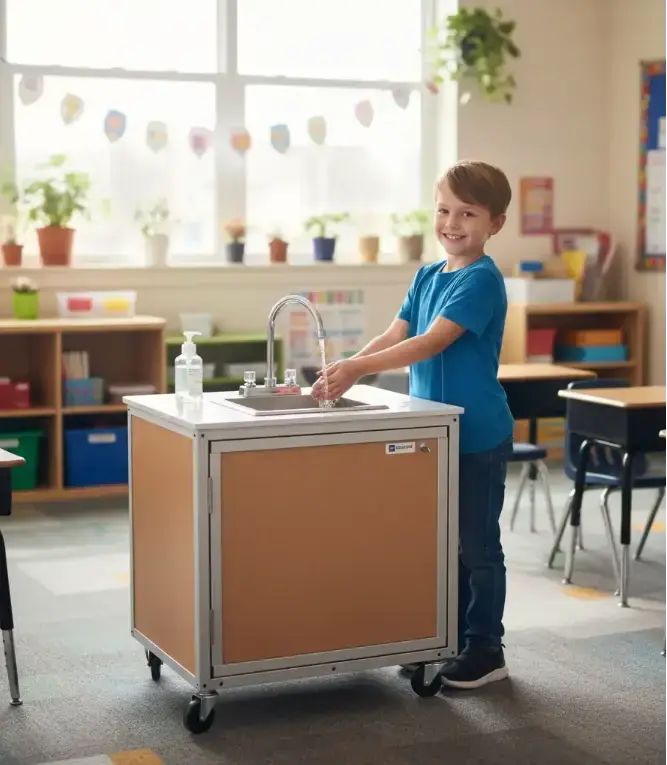
Portable sinks are self-contained, mobile handwashing stations designed to provide convenient access to running water without requiring permanent plumbing connections. These mobile units have transformed how leaders in education, healthcare, and hospitality approach sanitation and hygiene in diverse settings, from schools to hospitals to pop-up restaurants.
The benefits of portable sinks extend far beyond basic convenience. These units enable organizations of all sizes to maintain strict health code compliance in locations where traditional plumbing would be impractical or cost-prohibitive. By eliminating the need for permanent water lines and drainage systems, portable sinks offer unprecedented flexibility in space utilization and service point placement.
Handwashing in Schools
Classroom portable sinks help teachers engage students and empower positive habits by making handwashing accessible exactly where students need it:
- Outside cafeterias
- In classrooms
- Near gym exits
- By playground doors
They ease restroom bottlenecks, make “wash before you eat” simple, and turn hygiene reminders into routine behavior.
Keep them stocked with soap and paper towels, add clear signage, and assign quick daily checks so stations stay ready all day.
Handwashing in Healthcare Facilities
At clinics, offices, and mobile care sites, portable sinks bring handwashing to the point of care:
- Reception
- Triage
- Vaccination areas
- Overflow rooms
Roll units in during renovations or surges, maintain separation of fresh and wastewater, and choose foot-pump powered faucets to reduce contact. Easy-to-clean surfaces and locking casters support infection-control protocols while keeping rooms flexible and efficient.
With portable healthcare sinks, schools and healthcare teams can add reliable handwashing anywhere, no plumbing required—supporting everyday hygiene practices and smoother traffic flow in high-use areas.

Simple Steps Make A Massive Difference.
- Wash for at least 20 seconds with soap and running water.
- Always wash before eating and after using the restroom (and other key moments).
- Promote hygiene in schools, workplaces, and communities.
Remember, clean hands aren’t just about personal health. They’re a foundation for global well-being. Together, we can make handwashing a daily habit that saves lives.
With Monsam Portable Sinks portable handwashing stations, you can make hand hygiene possible anywhere — no plumbing required. Let’s talk about that.
How Portable Sinks Make Handwashing Happen
Portable sinks remove the biggest barrier to clean hands. Access. They bring running water and soap to the places people gather, so the “out of sight out of mind” problem goes away.
Handwashing becomes easy, visible, and routine. No expensive plumbing, no waiting on facilities. Just place, fill the tanks, and start washing.
How Portable Sinks Help Organizations
- Make hygiene visible, reinforcing “wash before you eat.”
- Add capacity fast during events, surges, or renovations.
- Improve hygiene and overall experience for guests.
- Put handwashing at entrances, food lines, and exits.
- Encourage use with hands-free faucets and pedal pumps.
- Keep operations flexible with easy roll-in placement.
- Reduce restroom congestion and keep traffic flowing.
Ways To Promote Handwashing With Portable Sinks
- Position sinks where decisions happen: before food, after play.
- Pair with clear cues, like soap dispensers, signage, and trash nearby.
- Keep up on your stock — soap, paper towels, and spare tanks ready.
- Assign ownership for checks, refills, and cleaning.
- Integrate into campaigns around October 15 and year-round.
Portable sinks turn “don’t forget to wash” into “easy to wash,” helping schools, venues, clinics, and event teams build lasting handwashing habits anywhere.